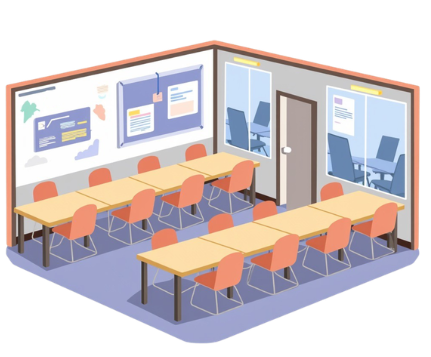
By March, many teachers notice their classrooms feel louder, more restless, or harder to manage, even though routines haven’t changed. You might wonder, “Why are my students acting out all of a sudden?”
The truth: it’s not your students. It’s that the system you set up earlier in the year has lost momentum, and students’ growth — bigger bodies, more energy, developing brains — is starting to show.
Think of your classroom like a machine: when results dip, it’s usually a small tweak to the system, not a complete overhaul, that restores smooth functioning. Your role as a teacher is to observe, adjust, and reset the system so students succeed — and so you feel confident, in control, and positive again.
The good news? A few system-focused resets and mindset shifts can restore calm, focus, and engagement — quickly and sustainably.
Step 1: Observe and Identify Patterns
Before making changes, notice where behavior dips. Look for patterns:
Is independent work taking longer than expected?
Are transitions consistently chaotic?
Which students seem most restless or off-task?
Teacher Tip: See these behaviors as feedback on the system, not a reflection of your teaching or your students’ character.
Step 2: Reset Routines and Expectations
Even if routines haven’t changed, a quick reset builds momentum.
Practical Steps:
Re-model transitions and line-up procedures.
Review independent work expectations.
Revisit classroom voice levels and group behavior norms.
Example: Spend 5 minutes at the carpet demonstrating how to move from carpet to desk calmly — students will follow more easily once expectations are clear again.
Step 3: Adjust the Environment to Match Student Growth
Students’ bodies, brains, and attention spans are changing — your classroom system should adapt.
Practical Steps:
Add short movement breaks (30–60 seconds) to release energy.
Break long tasks into smaller, manageable chunks.
offer academic choice during work time
create class goals together and tie in “special” rewards to reaching goals
change seating arrangements
learn and play new morning meeting games
Step 4: Stay Positive and Committed
Staying positive, focused, and solution-oriented makes behavior challenges manageable.
Try these strategies:
Reframe challenges: See off-task behavior as data about the system, not failure.
Celebrate small wins: Notice students who follow expectations or help peers — momentum builds quickly.
Pause before reacting: Take a deep breath before addressing behavior.
Reflect daily: Ask, “What one small tweak can make tomorrow smoother?”