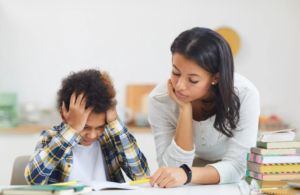
Building a positive classroom community starts with helping students feel seen, valued, and motivated. One effective way to do this is by teaching hopes and dreams at the beginning of the year—or during a January reset. This approach supports strong classroom management, improves student behavior, and helps students take ownership of their learning.
Below is a simple, classroom-tested way to set up hopes and dreams in an elementary classroom.
Step 1: Explain What Hopes and Dreams Mean (Student-Friendly)
Start with a clear, kid-friendly explanation:
Hopes are what students want to get better at.
Dreams are what they want to achieve this year.
Keep the focus on:
- learning goals
- behavior goals
- being part of a classroom community
Avoid focusing on toys, prizes, fieldtrips, or things outside the classroom.
This sets the foundation for positive behavior management and shared expectations.
Step 2: Model Your Own Hope and Dream
Students need to see what a strong example looks like.
Share your ideas or use one of the example below:
- academic goal (ex: helping everyone feel confident in math)
- community goal (ex: creating a calm and respectful classroom)
Modeling shows students how goals connect to classroom routines, behavior, and responsibility.
Step 3: Guide Students to Create Their Own
Have students draft their hopes and dreams using simple sentence starters such as:
- “One thing I want to get better at is…”
- “One goal I have for this school year is…”
You can:
- brainstorm together
- conference with students who need support
This step encourages reflection and helps students understand how their actions affect the classroom environment.
Step 4: Connect Hopes and Dreams to Classroom Expectations
This is where classroom management comes in.
As a class, discuss:
- What behaviors help us reach our hopes?
- What routines support our goals?
- How can we help each other succeed?
This naturally leads into behavior expectations without punishment or rewards, helping students take ownership of their actions.
Step 5: Display and Revisit Them Often
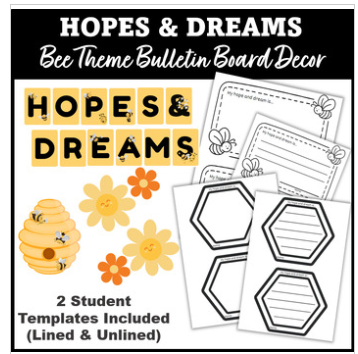
Have your students create a final draft and jazz them up nicely. Post hopes and dreams where students can see them.
Revisit them:
- after long breaks
- during behavior reminders
- at goal-setting check-ins
- during classroom meetings or reflections
This keeps expectations consistent and strengthens your positive classroom community all year long.


Why Hopes and Dreams Support Classroom Management
Teaching hopes and dreams:
- builds student ownership
- improves classroom behavior
- creates shared responsibility
- supports long-term classroom routines
Instead of managing behavior for students, you help them manage it with you.
Final Thoughts
You don’t need a complete reset to improve classroom culture. Teaching hopes and dreams—whether in August or January—helps create a respectful, focused, and supportive learning environment where students feel motivated to do their best.